
Fixing Problems Before They Expand
Comprehensive Pool Repair in North Port for structural cracks, failing skimmers, and damaged fittings
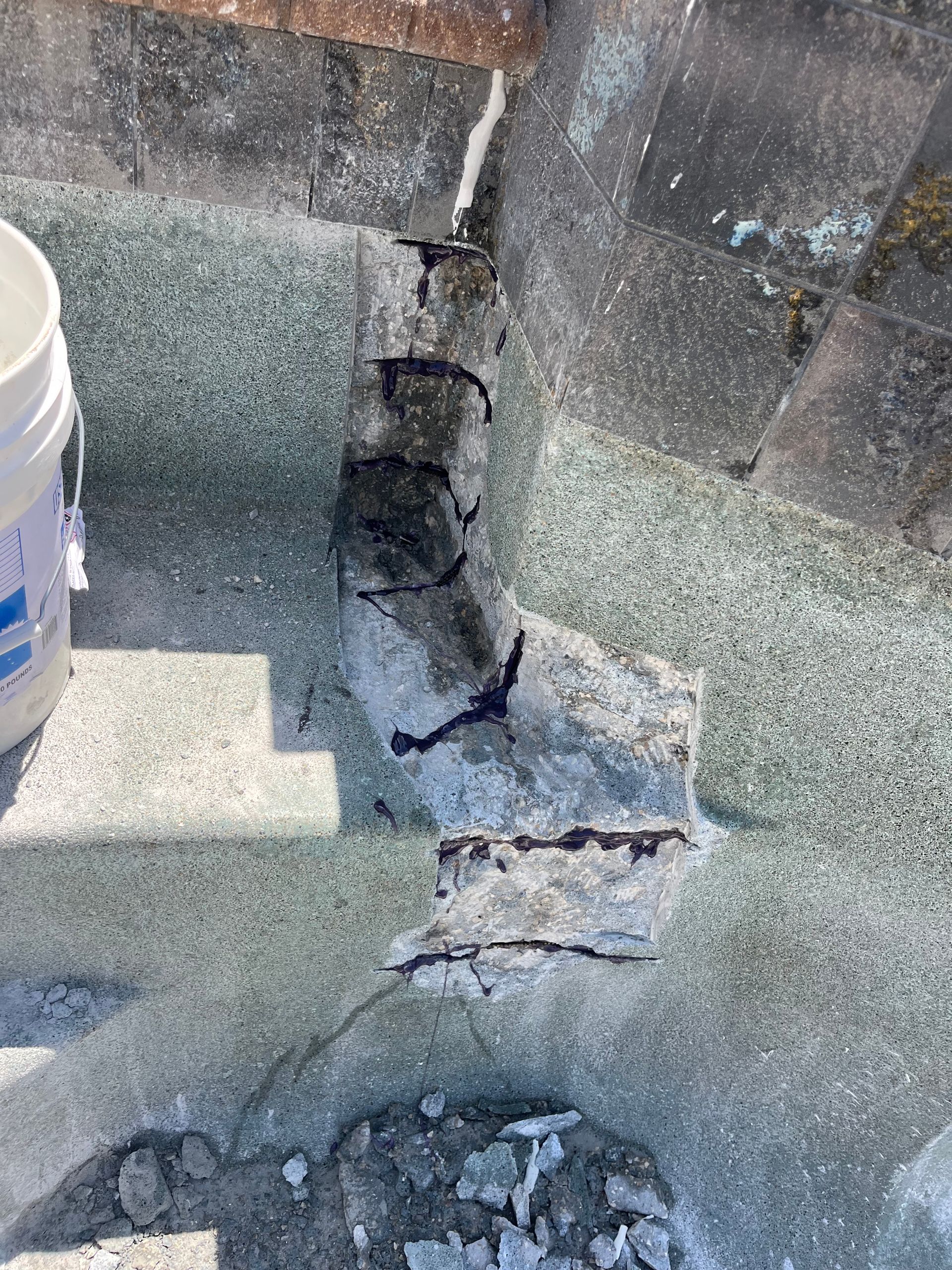
Cracks that extend from steps into pool walls or gaps forming around return fittings indicate structural movement or material fatigue that worsens with each thermal cycle and water pressure fluctuation. Hydropro Leak Detection, LLC addresses structural failures, skimmer separation, light niche damage, and worn components throughout North Port using diagnostic-first strategies that identify root causes—whether from shifting ground, freeze damage, or improper initial installation—before implementing repairs designed for long-term durability. Florida weather exposure combined with aging materials creates conditions where small surface cracks propagate into deeper separations that compromise waterproofing and require progressively more extensive restoration work.
Repair work begins with documenting crack patterns to distinguish between cosmetic surface crazing and structural failures extending through shell thickness, determining whether repairs require flexible sealants for isolated movement or full-depth concrete restoration for compromised sections. Skimmer repairs address separation where plastic throats pull away from concrete cutouts, a common failure in older installations where rigid connections cannot accommodate ground settlement. Light niche replacements involve draining pools to access sealed housings, installing updated fixtures with proper bonding to electrical grounding systems that prevent stray voltage.
Schedule structural assessments when visible cracks appear wider than hairline width or when water loss accelerates after initially stable conditions.
How Early Repairs Help Prevent Larger Structural Failures
Crack repairs use epoxy injection for narrow separations or polyurethane foam for active leaks where pressurized material expands into voids and cures waterproof, stopping water migration that erodes soil behind shells. Skimmer rebuilds remove damaged throat assemblies and reset units with flexible connections that accommodate minor ground movement without re-separating. These methods restore structural integrity while preventing water from reaching areas where it dissolves soil, undercuts decking, or corrodes rebar within concrete shells.
After repairs complete, you'll notice water levels remain stable without constant refilling, equipment operates without air bubbles indicating suction-side leaks, and previously wet areas surrounding the pool dry as subsurface water intrusion stops. Repaired fittings no longer show gaps where returns attach to shell penetrations, eliminating whistling sounds during circulation. Structural repairs prevent cracks from widening during seasonal temperature swings when concrete expands and contracts against surrounding soil.
Repair scope also considers whether damage stems from underlying issues requiring additional correction—for example, inadequate expansion joints causing stress cracks, improper backfill compaction allowing settlement, or plumbing installed without flexibility loops to absorb ground movement. Addressing root causes ensures repairs perform long-term rather than temporarily masking symptoms that recur within months.
What Property Owners Usually Ask
Questions about pool repairs often focus on urgency, repair durability, and whether partial fixes suffice or complete replacement becomes necessary. These responses clarify what different damage patterns require.
What makes some cracks urgent while others remain cosmetic?
Cracks extending fully through shell thickness that leak water require immediate repair to prevent soil erosion beneath decks, while surface crazing confined to plaster finishes without structural depth can wait until scheduled resurfacing projects without risking property damage.
How do repair methods differ for active leaks versus stable cracks?
Active leaks use polyurethane foam injection that reacts with water to expand and seal, while stable cracks receive epoxy injection after drying, because epoxy provides stronger bonds but requires moisture-free conditions during curing.
Why do skimmers separate from pool walls over time?
Ground settlement in North Port's sandy soils allows pools to shift slightly relative to rigid plumbing and skimmer assemblies, creating stress at connection points where plastic throats bond to concrete cutouts, eventually cracking sealant and allowing separation.
When does damage require complete component replacement instead of repair?
Replace skimmers when plastic housings crack beyond throat connections, replace light niches when corrosion compromises electrical safety, and replace fittings when threaded connections strip or bodies crack from over-tightening during previous service work.
What prevents repaired areas from failing again?
Durable repairs incorporate flexible materials at connection points, address underlying movement causes through proper expansion joints, and use marine-grade sealants designed for continuous water immersion rather than general-purpose products that degrade under UV and chemical exposure.
Hydropro Leak Detection, LLC provides detailed damage assessments with repair recommendations prioritized by severity and risk of progression, allowing you to address critical failures immediately while planning less urgent work during routine maintenance periods. Arrange an inspection when new cracks appear or when existing damage shows signs of expansion.