
Surfaces That Look Current and Last Longer
Pool Remodels & Renovations in North Port for outdated finishes, damaged tile, and deteriorating decks
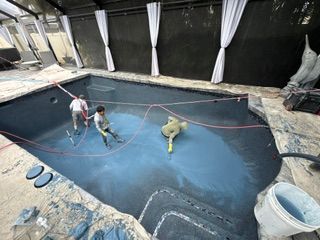
Outdated plaster surfaces that feel rough underfoot or show discoloration beyond normal mineral staining indicate the finish layer has thinned to where aggregate shows through, creating conditions where algae embeds into exposed concrete. Hydropro Leak Detection, LLC manages complete pool transformations including resurfacing with plaster or pebble finishes, tile replacement along waterlines, coping updates, and deck overlays that address both cosmetic wear and structural concerns throughout North Port properties. Renovation work restores visual appeal while improving long-term durability through modern materials designed for Florida's UV exposure and continuous water contact.
Remodeling projects begin with draining pools to assess shell condition, removing deteriorated finishes to inspect underlying concrete for cracks requiring structural repair before new surfaces install. Pebble finishes use small stones bound in cement-based matrix, providing texture variations and color blends that resist staining better than traditional white plaster. Waterline tile updates replace outdated patterns with larger format tiles or glass mosaics that complement modern deck materials and outdoor furniture. Coping replacement addresses cracked or settling cap stones that allow water intrusion behind bond beams, preventing further damage to steel reinforcement.
Arrange a renovation consultation to evaluate whether surface deterioration requires complete refinishing or localized repairs that extend remaining finish lifespan.
What Proper Renovation Requires
Surface preparation involves acid-washing existing finishes to remove scale buildup, grinding down high spots where plaster delaminated from shell substrate, and applying bonding agents that ensure new finishes adhere permanently without future separation. Tile installation requires setting beds that accommodate thermal expansion across large format materials, using epoxy grouts in waterline applications where constant saturation degrades traditional cement-based products. Deck overlays bond to existing concrete after surface profiling removes smooth trowel finishes that prevent mechanical adhesion.
Once renovation completes, you'll notice smoother shell surfaces that no longer catch swimwear or scrape feet, brighter water appearance as new finishes reflect light evenly without stained patches, and reduced chemical demand because non-porous materials resist algae attachment better than worn plaster. Updated tile lines eliminate gaps where old mastic failed, preventing water from seeping behind shells to dissolve mortar beds. Resurfaced decks provide slip-resistant textures that improve safety around wet areas while coordinating visually with updated pool interiors.
Renovation planning also addresses opportunities to reconfigure steps for easier entry, add tanning ledges for shallow lounging areas, or install bench seating along deep-end walls. Projects coordinate timing to minimize downtime, scheduling tile work and coping replacement while new finishes cure, allowing complete transformations within two to three weeks from drainage through refilling and startup balancing.
Answers to Frequent Service Questions
Homeowners planning pool renovations typically want clarity on material choices, project duration, and long-term performance expectations. These answers address common concerns about remodeling aging pools.
What causes plaster to deteriorate faster in some pools than others?
Water chemistry imbalances accelerate plaster erosion, particularly low pH conditions that dissolve calcium from finish surfaces, while aggressive brushing with wire tools or prolonged chlorine tablet contact creates localized thin spots that expand into larger rough patches.
How do pebble finishes compare to traditional plaster?
Pebble finishes incorporate small stones throughout the surface layer rather than relying solely on cement paste, creating more durable installations that resist etching from acidic conditions and provide textured appearances that hide minor staining better than smooth white plaster.
When should coping be replaced during renovation projects?
Replace coping when stones crack from freeze-thaw cycles or ground settlement, when mortar joints exceed half-inch width from material shrinkage, or when cap stones tilt inward from soil erosion beneath cantilever edges, because compromised coping allows water behind bond beams where it corrodes structural steel.
What deck options work best for North Port's climate?
Overlays using acrylic coatings or thin cement toppings provide slip-resistant textures and reflective colors that reduce surface temperatures under direct sun exposure, performing better than bare concrete that absorbs heat and develops thermal cracks from daily expansion cycles.
How does renovation timing affect project completion?
Scheduling renovations during cooler months allows proper curing of cement-based finishes without excessive evaporation that weakens surface strength, though year-round construction remains possible in North Port with moisture retention techniques that prevent premature drying during application.
Hydropro Leak Detection, LLC coordinates all renovation phases from initial surface removal through final water balancing, maintaining quality standards that ensure finishes perform as specified throughout their expected service life. Contact us to schedule an on-site evaluation when existing finishes show wear patterns or when updating older pools to match current outdoor living spaces.