Water Loss That Won't Stop on Its Own
Pool Leak Detection in North Port for constant refilling, wet yard areas, and rising water costs
Hydropro Leak Detection, LLC isolates hidden water loss in pool structures, underground plumbing, and vinyl liner systems throughout North Port using pressure testing, dye testing, and systematic diagnostics that pinpoint leak sources without excavation. When your pool drops more than a quarter-inch per day beyond normal evaporation, or when wet spots appear around the deck despite dry weather, these patterns indicate structural failure or compromised underground lines. Florida soil movement combined with aging plumbing creates conditions where leaks develop in pipe fittings buried beneath concrete surfaces.
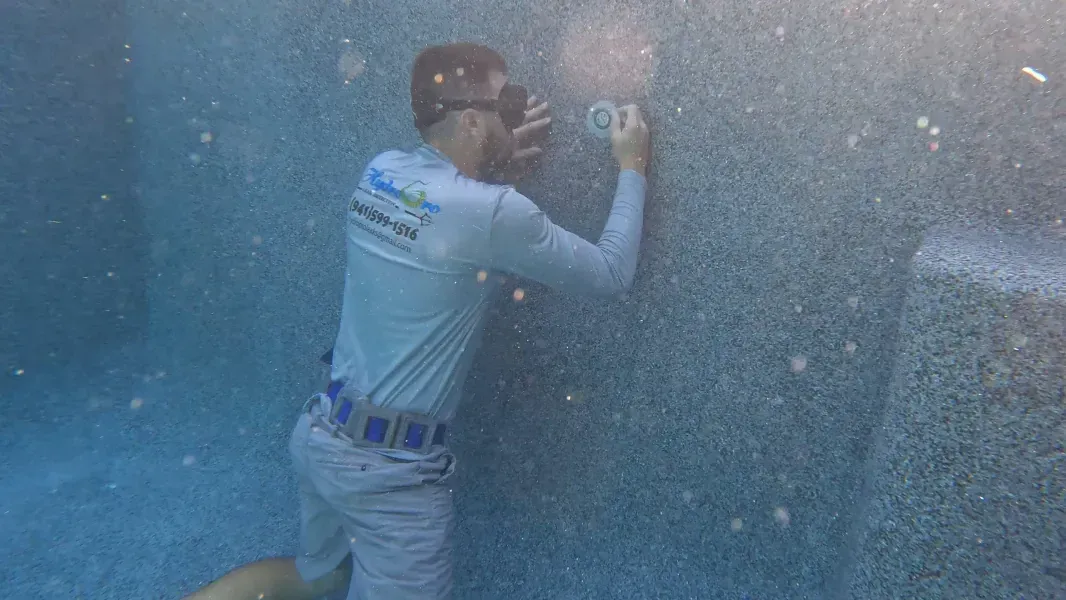
The service involves pressurizing individual plumbing lines to measure drop rates, introducing visible dye at suspected failure points to trace water movement, and inspecting shell surfaces for cracks that allow continuous seepage. This approach eliminates guesswork by testing one system at a time—skimmer lines separate from return lines, suction lines isolated from pressure-side equipment—so repairs address the actual source rather than multiple excavation attempts. Heavy rain in Southwest Florida saturates ground around pools, making visual inspections unreliable without controlled testing that distinguishes between surface runoff and subsurface leaks.
Schedule a diagnostic inspection when water bills climb without explanation or when the auto-fill runs more frequently than weather conditions justify.
What Systematic Testing Reveals Before Excavation
Pressure testing closes off sections of plumbing and measures whether lines hold stable PSI over a fifteen-minute interval, revealing compromised pipes before digging begins. Dye testing follows once pressure drops confirm a leak exists, using colored solution injected near fittings, light niches, or shell penetrations to show exactly where water escapes the system. This sequence prevents unnecessary removal of decking or landscaping by confirming leak location within inches rather than estimating based on wet soil patterns.
Once testing isolates the source, you'll see the auto-fill stop running constantly, water bills return to predictable levels, and wet areas around the pool deck dry out as the system holds water properly again. Air bubbles streaming from return jets disappear when suction-side leaks no longer pull air into circulation lines. Equipment runs more efficiently without cavitation caused by compromised plumbing that introduces air into pump baskets.
Detection work also evaluates whether leaks stem from shifting soil that cracks rigid pipes, corroded fittings that fail at threaded connections, or vinyl liner tears along seams and step corners. Results determine whether repairs involve spot fixes, pipe replacement, or liner patching, allowing cost estimates based on confirmed conditions rather than exploratory work.
Questions Before Scheduling Leak Detection
Homeowners throughout North Port typically ask about testing methods, timing, and what results mean for their property. These answers clarify what happens during the diagnostic process and when to act on unexplained water loss.
How do you distinguish between evaporation and actual leaks?
Evaporation in North Port during summer months accounts for roughly one-eighth to one-quarter inch of water loss per day depending on humidity and wind exposure, while leaks cause drops exceeding that rate regardless of weather conditions, confirmed by bucket tests that compare pool water loss to a sealed container placed on the first step.
What equipment isolates underground plumbing leaks without digging?
Pressure testing equipment connects to individual plumbing lines through the equipment pad, introducing air or water pressure that holds steady if pipes remain intact or drops measurably when leaks allow pressure to escape through cracks or failed fittings.
Why do pools lose water faster after heavy rain?
Rain saturates soil around pools and increases hydrostatic pressure against shell surfaces, widening existing cracks or pushing water through compromised plumbing joints that remain stable during dry conditions when surrounding soil provides counter-pressure.
When should I schedule testing instead of waiting to see if loss continues?
Schedule testing immediately when daily water loss exceeds one-quarter inch, when the auto-fill activates multiple times per week, or when wet areas appear near the pool despite no recent rainfall, because ongoing leaks erode soil beneath decks and destabilize surrounding hardscape.
What happens if testing finds multiple leak sources?
Results document each leak location separately with repair priority based on severity, allowing you to address the largest water loss first or complete all repairs simultaneously depending on access requirements and budget considerations.
Hydropro Leak Detection, LLC provides written documentation of all test results with repair recommendations based on confirmed leak locations and system conditions. Contact our team to arrange testing when unexplained water loss continues beyond normal evaporation rates or when equipment performance changes suddenly without obvious cause.