
Systems That Run Quietly and Efficiently
Pool Equipment Installation & Upgrades in North Port for aging pumps, outdated heaters, and high energy costs
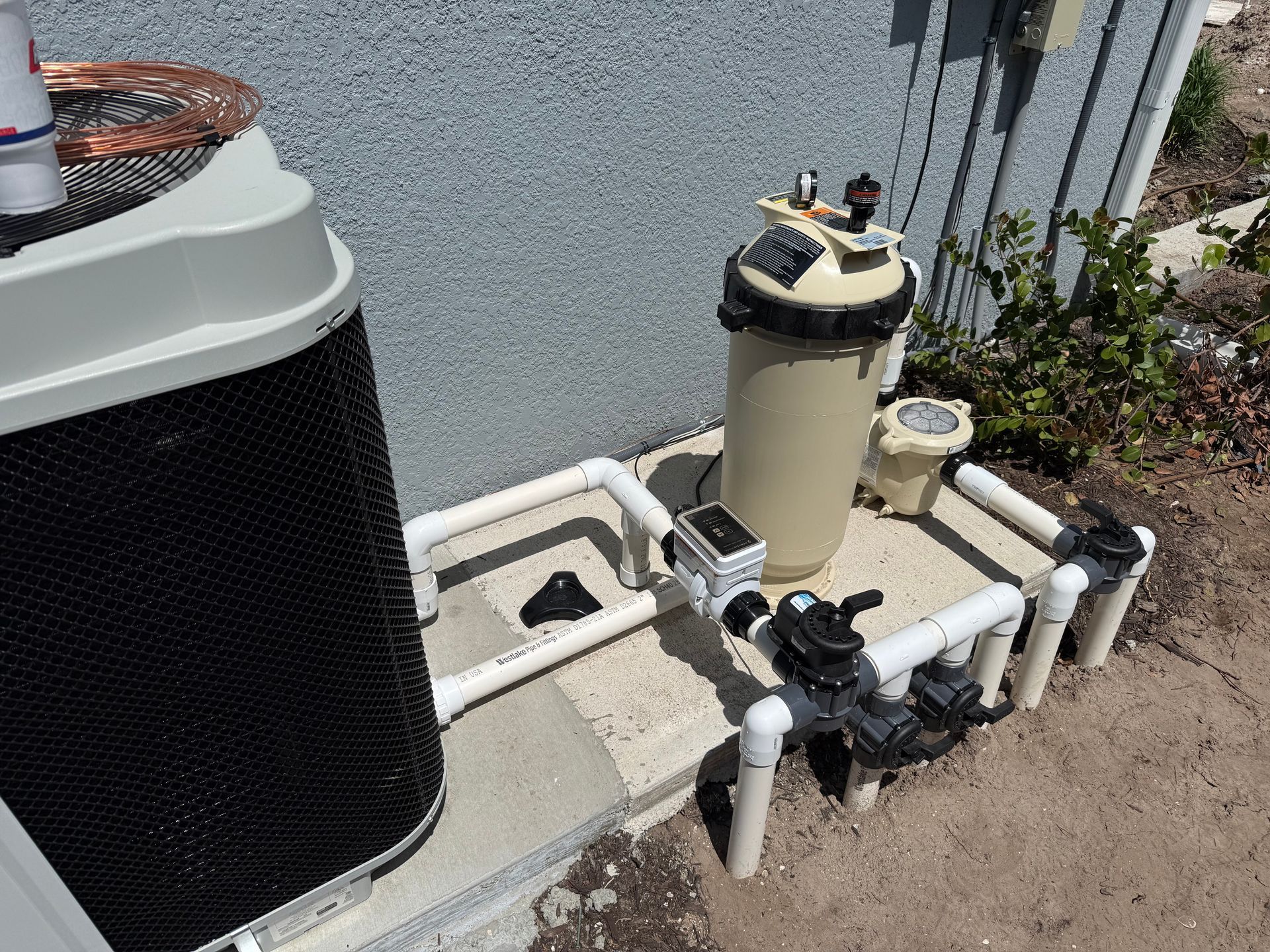
When filtration cycles take longer to clear cloudy water or when equipment pads vibrate loudly during operation, these signs indicate motors and controls approaching failure thresholds where replacement prevents sudden breakdowns. Hydropro Leak Detection, LLC installs variable-speed pumps, upgraded filters, automated controls, and salt chlorine generators throughout North Port after evaluating compatibility with existing plumbing diameter, electrical panel capacity, and current system demands. Year-round operation in Florida subjects equipment to continuous heat and humidity exposure that accelerates wear on single-speed motors and mechanical timers designed for seasonal use.
Installation begins with measuring current flow rates, electrical load, and plumbing configurations to confirm new equipment integrates without requiring line resizing or panel upgrades. Variable-speed pumps reduce energy consumption by running longer cycles at lower RPMs instead of short high-speed intervals, while smart controls adjust filtration schedules based on actual pool usage rather than fixed timers. Salt chlorine generators eliminate manual chemical additions by converting dissolved salt into sanitizer through electrolytic cells, maintaining consistent levels without storage or handling of concentrated chlorine products.
Request an equipment evaluation to determine whether current systems operate within manufacturer efficiency ranges or consume excess energy through outdated components.
Why Modern Equipment Operates Differently
Variable-speed technology uses permanent magnet motors that adjust RPMs electronically rather than running at fixed speeds, allowing low-speed circulation for routine filtering and higher speeds only when vacuuming or operating water features. This approach cuts operating costs by sixty to seventy percent compared to single-speed pumps while extending equipment lifespan through reduced motor stress. Compatibility evaluations confirm electrical service supports soft-start features and that plumbing diameter accommodates lower velocity flow without restricting circulation.
After installation, you'll notice quieter operation during evening hours when pumps run extended low-speed cycles, lower monthly utility bills as energy-efficient motors replace old equipment, and more consistent water clarity as automated systems maintain filtration schedules without manual adjustments. Smart controls allow remote monitoring through mobile apps, sending alerts when run times complete or when flow restrictions indicate filter cleaning requirements. Heating cycles respond faster with updated heat pumps that transfer thermal energy more efficiently than older gas or electric resistance models.
Upgrades also address situations where adding water features, spillover spas, or deck jets requires increased hydraulic capacity that existing pumps cannot support. New installations size equipment for actual demand rather than installing oversized components that waste energy, factoring in plumbing friction loss and vertical lift to equipment pads elevated above water level.
Common Equipment Upgrade Questions
Property owners considering equipment replacement often ask about compatibility, operational changes, and practical benefits of newer technology. These responses address frequent concerns about upgrading pool systems.
How do variable-speed pumps reduce costs if they run longer hours?
Variable-speed pumps consume less energy per hour at low speeds than single-speed models running shorter high-speed cycles, because electrical load increases exponentially with motor speed while water circulation requirements remain constant throughout most filtration periods.
What electrical upgrades does new equipment require?
Most variable-speed pumps operate on existing 230-volt circuits without panel modifications, though installations verify breaker sizing matches motor load and that wiring gauge supports amperage draw specified in equipment documentation.
When should I replace equipment instead of repairing it?
Replace equipment when motors develop bearing noise, when pump baskets crack from UV exposure, when heater heat exchangers corrode through, or when components exceed ten years of continuous operation in North Port's year-round climate where seasonal shutdowns never occur.
How does automation improve daily pool management?
Automation eliminates manual timer adjustments by programming filtration schedules, lighting sequences, and heating cycles through touchscreen interfaces or smartphone apps, adjusting run times automatically based on temperature changes or detected water chemistry shifts.
What determines compatibility between new equipment and existing plumbing?
Compatibility depends on matching pump flow rates to pipe diameter, confirming suction and return line sizing supports new equipment velocity requirements, and verifying that filter tank volume handles circulation rates without bypassing media during high-speed operation.
Hydropro Leak Detection, LLC provides detailed equipment assessments that document current system performance and recommend upgrades based on measured inefficiencies rather than arbitrary replacement schedules. Schedule a consultation when monthly energy costs seem disproportionate to pool size or when equipment noise increases during normal operation cycles.