Diagnostics That Identify Intermittent Equipment Failures
Troubleshooting & Mechanical Diagnostics in North Port for unusual noises, pressure loss, and inconsistent pool equipment performance
Florida's year-round pool usage accelerates wear on motors, seals, and mechanical systems until pumps develop grinding noises, heaters fail to maintain temperature consistently, or filtration pressure drops without obvious clogs blocking water flow. When pool equipment behavior changes unexpectedly or recurring problems defy simple fixes, systematic testing isolates whether electrical control components have failed, whether mechanical parts have worn beyond functional tolerances, or whether plumbing restrictions limit water circulation through the hydraulic system. Hydropro Leak Detection, LLC provides troubleshooting and mechanical diagnostics in North Port that prevent unnecessary part replacements by identifying the actual failure point rather than replacing components that remain operational but appear suspect during surface-level inspections.
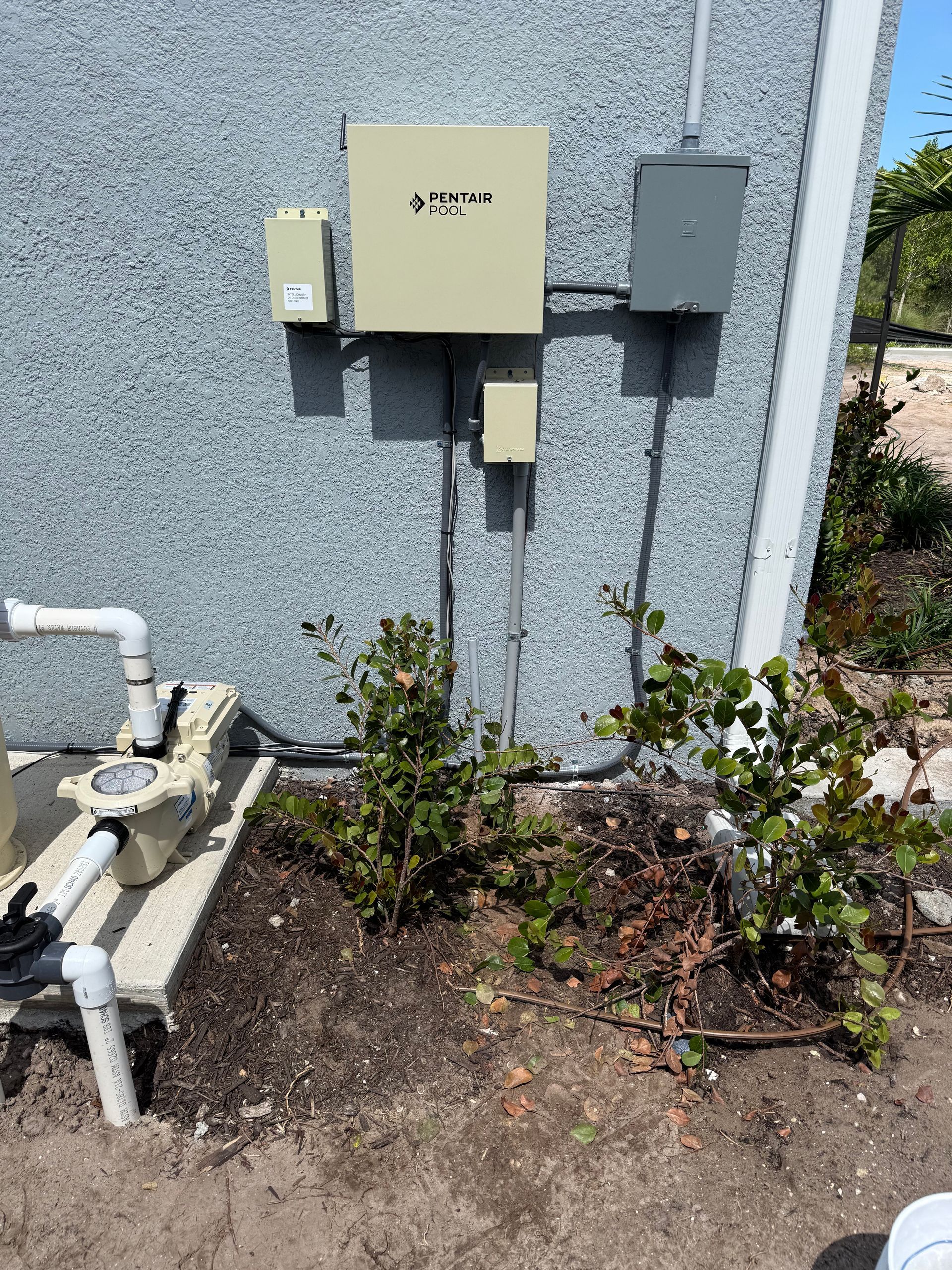
Diagnostics apply methodical testing to pumps showing cavitation symptoms, heaters cycling on and off erratically, filters building pressure faster than normal backwashing intervals, automation systems ignoring programmed commands, and electrical circuits tripping breakers during startup sequences. Each symptom reveals specific failure patterns when examined under controlled operating conditions.
Request diagnostics when equipment performance becomes unpredictable, when simple maintenance fails to resolve ongoing issues, or when multiple service calls have not identified the root cause of operational problems.
Why Accurate Problem Identification Matters
Troubleshooting separates symptoms from causes by testing components individually—measuring voltage at control boards to verify electrical supply remains stable, checking pump impellers for debris or damage that restricts flow, evaluating heater ignition systems for weak flame sensors or failing gas valves, and monitoring automation signals to confirm programming executes correctly. Diagnostics reveal whether cloudy water results from inadequate filtration cycles, chemical imbalances, or circulation dead zones where water never reaches return jets.
Once testing identifies the failed component or system weakness, repairs target the specific problem without replacing parts that continue functioning correctly within manufacturer specifications. Your equipment operates reliably after diagnostics eliminate guesswork, repeat service calls stop because the actual failure has been addressed rather than masked temporarily, and you avoid paying for unnecessary replacements when simple repairs or adjustments restore normal performance.
Complex issues sometimes involve multiple contributing factors—a pump losing prime because suction plumbing has developed a small leak while simultaneously the impeller has worn enough to reduce pressure slightly, or a heater shutting down because both the pressure switch needs adjustment and the heat exchanger has accumulated scale deposits restricting water flow enough to trigger thermal cutoffs.
Common Diagnostic Questions From Pool Owners
Mechanical problems in North Port pools often produce confusing symptoms that require experienced analysis to interpret correctly and resolve permanently.
Why does my pool pump make loud grinding noises during operation?
Motor bearings wear out from continuous use and exposure to moisture, impellers accumulate debris that creates imbalanced rotation, or worn seals allow water into the motor housing where it damages internal electrical components and mechanical parts.
What causes my heater to shut off randomly before reaching the set temperature?
Intermittent shutdowns typically result from failing pressure switches that misread water flow, dirty flame sensors that cannot detect ignition reliably, corroded heat exchangers restricting water movement enough to trigger thermal safety cutoffs, or electrical control boards with weakened solder connections that lose signal during thermal expansion.
How do you diagnose circulation problems when all the equipment appears to run normally?
Testing measures actual flow rates at return jets, compares pressure readings across the filter to baseline values, checks for air intrusion indicating suction line leaks, and evaluates whether pump sizing matches current pool volume and plumbing configuration installed during renovations or equipment upgrades.
Why does my automation system ignore programmed schedules?
Control boards fail when capacitors age beyond operational tolerances, software requires resetting after power surges corrupt memory, valve actuators bind from corrosion preventing movement even when electrical signals fire correctly, or weak transformer output cannot supply enough voltage to operate relays and switching circuits simultaneously.
What distinguishes troubleshooting from regular pool service?
Standard maintenance addresses routine cleaning and chemical adjustments, while diagnostics involve systematic testing with specialized meters and gauges to isolate equipment failures, identify component degradation, and determine why systems no longer perform as originally designed despite appearing mechanically intact.
Hydropro Leak Detection, LLC solves complex pool equipment problems through experienced troubleshooting that identifies failures other service providers overlook in North Port. Schedule mechanical diagnostics when operational issues persist despite previous repair attempts or when equipment behavior defies straightforward explanations.